Divorce is never easy, and it can be even more challenging during the festive season, especially when children are involved. If you’re going through a separation or are newly divorced, navigating the holidays can be overwhelming.
In this advice article, we will explore different tips that can help you and your family manage the challenges of separation and divorce during the holiday season. We will discuss strategies for working with your ex-partner to make plans for your children, as well as tips on how to communicate with family and friends about your plans. Additionally, we’ll delve into how to ensure the well-being of your children and how to communicate with them about divorce during this time.
Consider How You Will Communicate with Children
When managing the festive season during divorce, it’s important to prioritise the best interests of your children. When discussing divorce with children, it’s important to be honest and age appropriate without exposing them to any ‘adult’ issues.
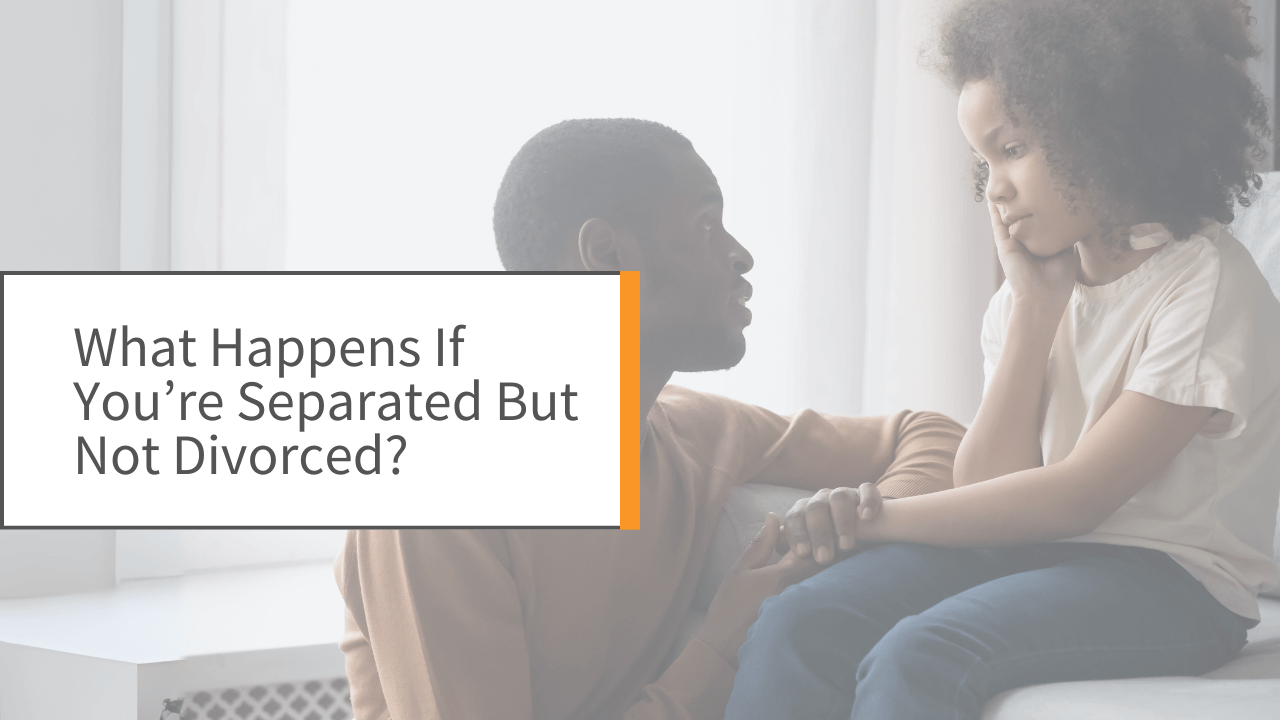
Separation can be particularly hard on children during the holiday season. Encourage open dialogue, allowing them to express their feelings and ask questions.
Don’t ask the child to choose between you and the other parent. This puts them in the middle and can create pressure and tension.
Make a Plan for Christmas
If you have children, maintaining consistency in holiday traditions where possible provides stability, and involving children in decision-making processes gives them a sense of control. Gaining support from your friends and family and communicating with your ex-partner can help.
However, creating new traditions with children is proven to be beneficial over the Christmas period, particularly if they will be missing out on old traditions because of your separation. This can also be a good distraction for children going through this transition in their home life during the holidays.
Although not always desirable, trying to plan the holiday season for your child with your ex-partner is advisable. Keeping the gates of communication open and discussing subjects such as how much you plan to spend on gifts and where they’re going to spend time on Christmas, Boxing Day and New Year can assist in avoiding unnecessary disputes . If you talk about it in advance, it can help you to reach a compromise and discuss it more calmly.
Create a Co-Parenting Schedule
If you do not have a formal child arrangement agreement regarding the time the children will spend with each parent over the holiday, we advise you discuss this with either your divorce solicitor and/or your ex-partner.
Although you may not wish to speak to with your ex-partner, creating a co-parenting plan that ensures quality time with both parents is a great way to maintain stability for children. It will also make sure that your children will not miss out on any activities over the holidays. Discussing holiday plans with your ex-spouse can help avoid conflict and confusion and maintain an amicable relationship.
Have open and honest communication with your former partner regarding holiday arrangements and seek professional legal advice if there are any difficult situations.
Be Flexible with Arrangements
There is no ‘one size fits all’ arrangement, and you should consider what is likely to be best for your children.
The idea of being without your children on Christmas Day may seem upsetting, but don’t forget, being flexible with your ex-partner may allow you some good will for other occasions throughout the year such as the summer holidays and birthdays. A yearly alternating pattern could be considered to ensure that both parents can spend quality time with the children on Christmas day.
Plan How You Will Manage Your Emotions During Divorce
During divorce, it’s important to acknowledge and process your emotions. Seek support from your solicitor and reach out to family, friends, or support groups for guidance. Take time for self-reflection and self-care, being patient with yourself as healing takes time.
Make Plans for Yourself During the Festive Season
Divorce is a time of change and growth, offering new opportunities for personal development. It’s important to focus on embracing these transformations.
Surround yourself with a support network of family and friends who can provide comfort and encouragement during this period. Embracing new traditions and experiences can also help in coping with the mix of emotions that come with divorce. Remember, divorce is a process, and it’s okay to feel a range of emotions.
If you don’t have children or they’re not with you this upcoming holiday, plan on how you will spend your time. Reach out to friends and family and have open and honest communication, and don’t presume that you’re destined to spend the holidays, particularly Christmas Day alone, just because you are not in a relationship anymore.
Consider Spending Christmas with a Separated Spouse Peacefully
Exploring the possibility of peacefully spending the holidays together as a divorced or separated couple can have benefits, such as minimising stress for children and maintaining family traditions. Assess your level of communication, seek professional legal advice if needed, and prioritise the well-being of everyone involved.
Understand the Law Regarding Children
If there is a Child Arrangements Order in place this determines who a child will live, spend time, or have contact. It can include specific provisions for holidays and travel.
Also be aware of the legal requirements around travelling out of the jurisdiction with children post-separation. This includes having the appropriate consent from the other parent.
If you need any advice regarding child arrangements, our highly experienced family law team would be happy to help. We also offer alternative dispute resolution remedies, such as collaborative law, and we offer a free consultation for new clients.
We are dedicated to resolving matters as amicably as possible and every solicitor in our family team are members of Resolution which means we have a duty to reduce conflict wherever possible.
You can request an appointment at Howells.law or call us on 0114 2235 807, or request a call back below.

 Personal Injury
 Children Law
 Civil Liberties & Inquests
 Claims and Complaints Against the Police
 Criminal Defence
 Family Law
 Medical Negligence
 Motoring Offences
 Conveyancing
 Wills, Trust & Probate